
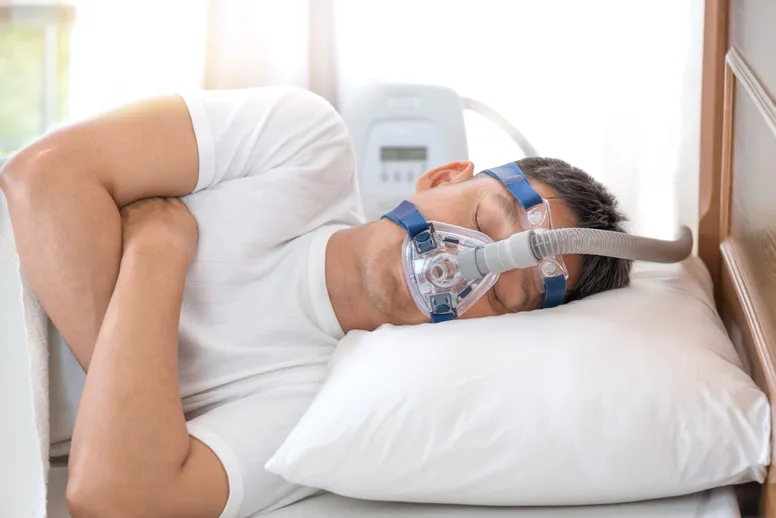
Sleep apnea is a common and potentially serious sleep disorder characterized by repeated interruptions in breathing during sleep. These interruptions, known as apneas, can lead to a range of health issues and disrupt the overall quality of sleep. There are two primary types of sleep apnea:
1. **Obstructive Sleep Apnea (OSA):** This is the most common form of sleep apnea. It occurs when the muscles at the back of the throat relax excessively during sleep, causing a temporary blockage of the airway. This blockage leads to a momentary cessation of breathing, often accompanied by a loud snore or choking sound, until the brain registers the lack of oxygen and briefly awakens the individual to reopen the airway. These interruptions can happen numerous times throughout the night, severely disrupting the sleep cycle.
2. **Central Sleep Apnea (CSA):** CSA is less common and results from a failure of the brain to send the appropriate signals to the muscles responsible for breathing. Unlike OSA, there is no physical blockage in the airway. Instead, individuals with CSA experience pauses in breathing due to a lack of respiratory effort. CSA often occurs in conjunction with other medical conditions.
Common symptoms of sleep apnea may include:
- Loud and chronic snoring.
- Frequent awakenings during the night.
- Excessive daytime sleepiness.
- Morning headaches.
- Difficulty concentrating and memory problems.
- Irritability and mood changes.
- Dry mouth or sore throat upon waking.
- Difficulty staying asleep.
Sleep apnea can lead to serious health complications if left untreated. It is associated with an increased risk of cardiovascular problems such as hypertension, heart disease, stroke, and irregular heart rhythms. Additionally, it can contribute to daytime fatigue, accidents (especially when driving), and a decreased overall quality of life.
Treatment for sleep apnea typically involves lifestyle changes, such as weight loss and positional therapy, or the use of medical devices like continuous positive airway pressure (CPAP) machines to help maintain open airways during sleep. In some cases, surgery may be recommended to address anatomical issues that contribute to sleep apnea.
Diagnosis and management of sleep apnea are essential to improve sleep quality, reduce associated health risks, and enhance overall well-being. It is important for individuals experiencing symptoms of sleep apnea to seek medical evaluation and treatment from a healthcare professional or sleep specialist.